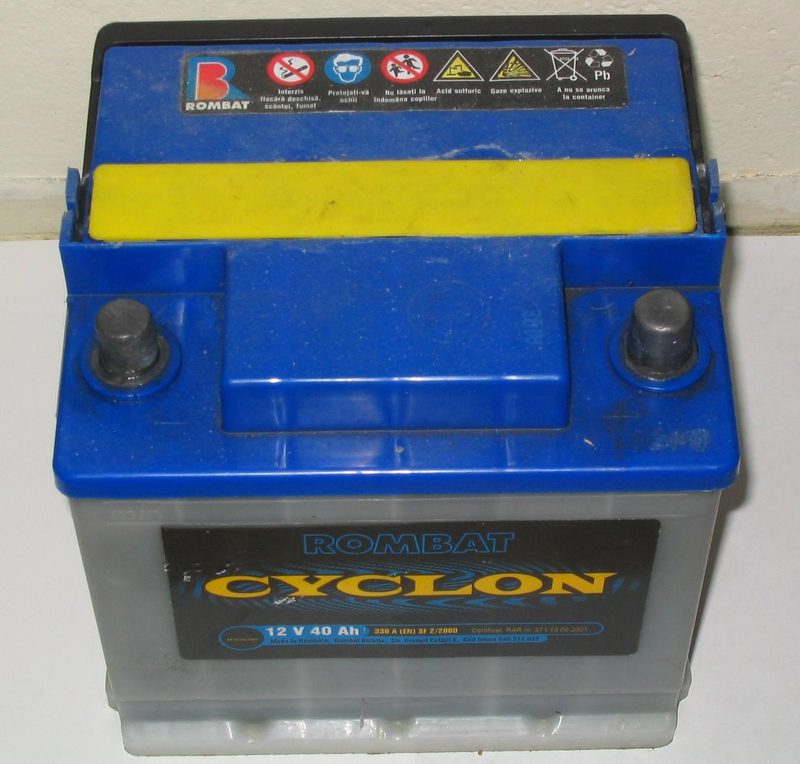
A heavy-duty electrical system is only as good as its batteries. Batteries supply the starter and alternator and act as buffers for electrical loads. Poor battery maintenance leads to repeated starter and alternator failures. Fleet and mining managers should implement regular inspection, testing and charging practices.
Maintenance Guidelines
- Perform regular visual inspections for corrosion, damaged casings or loose terminals. Clean and tighten terminals as necessary.
- Use a load tester to check battery capacity. Replace batteries that cannot maintain voltage under load; weak batteries strain starters and alternators.
- Check specific gravity or open-circuit voltage to ensure batteries are at least 75% charged before performing other tests. Undercharged batteries give false results and can be damaged during high-current tests.
- Overcharge symptoms include a high voltmeter reading, battery odour or acid on top of the battery and unusually bright lights. Undercharge symptoms include dim lights, slow cranking and a low voltmeter reading. Investigate alternator output and belt tension when these symptoms appear.
Proper Charging Practices
- Use voltage-regulated chargers for individual batteries. Avoid uncontrolled high-current charging, which can damage plates and reduce battery life.
- When charging multiple batteries in parallel or series, use chargers designed for the application. Follow manufacturer recommendations for current and voltage limits, and verify that all batteries have similar state-of-charge before group charging.
- Ensure cable connections are secure and sized appropriately to minimize voltage drop during charging and operation. Excessive resistance causes undercharging and premature failure.