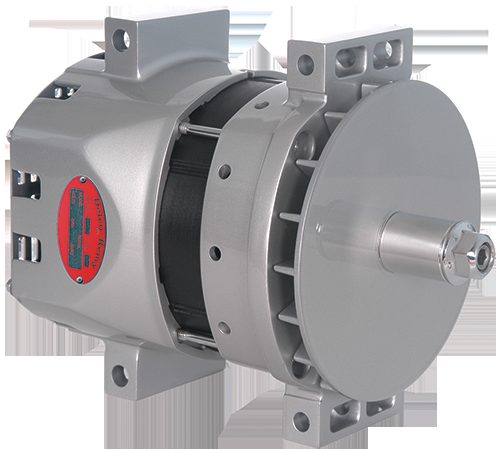
Choosing the right alternator involves selecting the correct mounting style, internal design and output rating. The alternator not only powers the vehicle’s electrical systems but also maintains battery charge; choosing an alternator that is too small can lead to discharged batteries and early failures.
Key Considerations
- Mounting style: Hinge-mount alternators use two mounting feet and an adjusting ear and are common on older engines. Pad-mount alternators bolt to the engine block with four mounting pads and are standard on newer designs. Using the correct mounting style avoids misalignment and belt issues.
- Brush versus brushless: Brushless alternators cost more but typically last four times longer. Choose a brushless unit if the vehicle will be used for more than two years or if long service life is required. Brush-type alternators are acceptable for short trade cycles or budget-constrained applications.
- Duty cycle and output: Alternator ratings are measured at around 5,000 rpm shaft speed. City-delivery vehicles with frequent idling need more output at low speeds than long-distance tractors. Select an alternator that provides more amperage than the vehicle’s maximum electrical load to ensure adequate charging at idle and road speed.
Why Oversize an Alternator
Oversizing means selecting an alternator with approximately double the amperage of the vehicle’s electrical load. Operating an alternator at 35–50% of its rated output increases its efficiency, reduces internal temperatures and extends bearing, diode and insulation life. An oversized alternator produces more current at idle, reducing battery cycling and prolonging battery life.